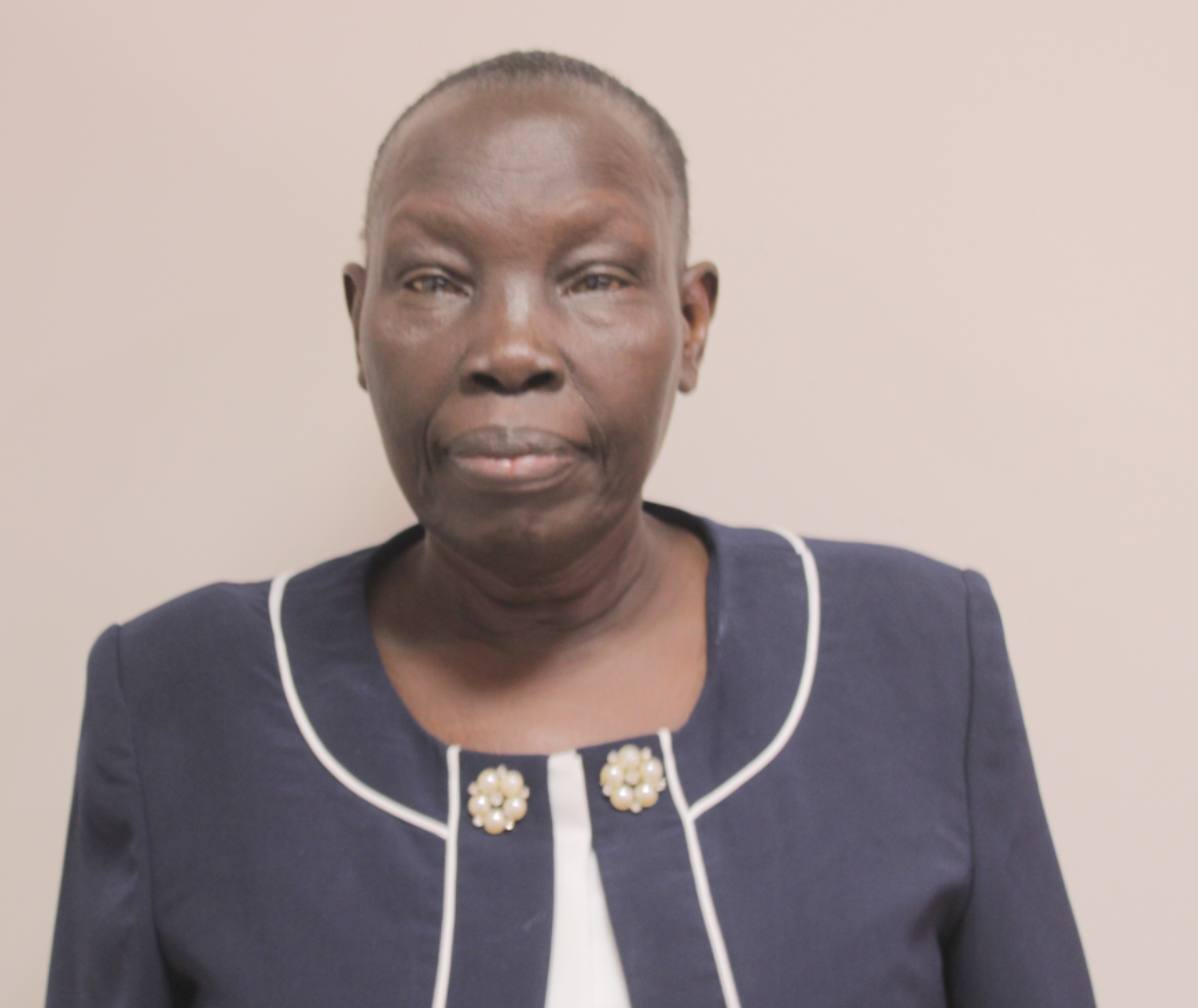
The National Ministry of Labour anticipating for Transitional National Legislative Assembly to enact its National Social Insurance Fund (NSIF) document. Once the bill is passed into laws, it will open ways for the Ministry to establish an autonomous NSIF in the Country. The Undersecretary Ministry of Labour, Mary Hillary Pitia narrated that the process of formulation of South Sudan National Social Insurance Fund was commenced in 2016, subsequently submitted to Ministry of Justices in 2018 and was finalized in 2021. “We have drafted the bill for South Sudan Social Insurance Fund. It has been reviewed by the ministry of Justice, approved by the cabinet waiting for submission to the legislative assembly for enactment”. The delayment in reconstituting the parliament was one of the factors that made the bill to delay. “We are following it with the ministry of Justices to see that it has been passed, once it is enacted then we shall be able to get it out from the parliament and begin to implement” Undersecretary explain. She ensured public that the Ministry cannot use it until the Legislative Assembly officially pass it into law. Meanwhile Ministry of Labour is using the Social Insurance Fund Act of Sudan 1990 amended in 2008. According to her, it’s through this document that the government can governs and collecting the fund for the good of the beneficiaries and the country as well. On the same story, the Acting Director General for Policy Planning and Labour Statistics in the Ministry of Labour, Adwok Chol Awur stated that Ministry of Labour has been out in the regions benchmarking on the National Social Insurance Fund for lessons learned. “ We have learned so much, but still some areas need to be study that why today 31/01/2022 the team of Ministry of Labour has left to visit Republic of Rwanda on the same issue, Adwok disclosed He added that ministry of labour has acquired enough knowledge, what remained is the technicality in the area of governance and managements of fund. “The only key issue is to have good governance of the fund to win trust of the public and investors.” He concluded that the absence of the body to manage the social insurance fund due to in adequate laws to regulate the activities have made the ministry’s unable to establish the National Social Insurance Fund in the country. It is in this regards that there is no place for keeping the accrued NSIF contributions of 8% from employee and 17% employer obligation. However, Ministry advices clients from different organization to seek for approval for payment of 25% of their NSIF deducted from employee salary as per the employment contract. “We are working hard to make sure that South Sudan Social Insurance Fund Bill is enacted into law to ease the establishment of the fund,” Adwok explained.